
Race-Day Nerves: How to Calm Down Before a Big Challenge
The nervous stomach the night before a race is not a sign that you are not ready. It is your body doing exactly what it is supposed to do: pumping adrenaline and cortisol into a system that thinks something important is about to happen. That feeling peaks in the hours before the starting line of the MN Mile, in a tent at 14,000 feet on the way to Everest Base Camp, or in the parking lot before your first Fuel Growth training session. Knowing what is happening in your body and having a short routine ready is what turns that energy into focus instead of a reason to stay home.
Why Nerves Show Up Before a Physical Challenge
Pre-event anxiety comes from the same stress response that once helped people survive real danger: a surge of adrenaline, a faster heart rate, and a mind that starts scanning for everything that could go wrong. It shows up whether the “threat” is a predator or a 5K you signed up for three months ago. The body does not know the difference between a dangerous situation and a hard one you chose on purpose.
That is useful information, because it means the shaky hands and the racing thoughts are not a verdict on your fitness or your readiness. They are a signal that your nervous system is treating the event as something that matters to you. People who have trained the hardest for the MN Mile or for an Everest Base Camp trek still feel it the night before. The goal is not to make the nerves disappear. It is to keep them from running the show.
What Actually Helps in the Hour Before
A short, repeatable routine beats a pep talk every time, because a routine gives your body something concrete to do instead of ruminating. Four things work consistently, in this order:
- Slow the exhale. Breathe in for a count of four and out for a count of six. A longer exhale than inhale activates the parasympathetic nervous system directly, which is the fastest way to bring a racing heart rate down without waiting for the feeling to pass on its own.
- Name what you can control. You cannot control the weather, the hill at mile two, or how fast anyone else goes out. You can control your pace for the first quarter mile, your breathing, and whether you look at the person next to you or at the road in front of you. Write those three things down the night before if that helps.
- Move before the start. A ten minute walk or a light jog burns off some of the adrenaline that is otherwise going to show up as a tight chest at the starting line. Standing still and waiting is the worst way to spend the twenty minutes before a start gun.
- Find one person. Walk up to someone else at the MN Mile start corral, a training partner, or someone from your Fuel Growth group and say something as simple as “I’m nervous too.” Connection interrupts the spiral faster than trying to think your way out of it alone, and it is one of the reasons group training works better than training solo in the first place.
How This Shows Up Differently the Night Before vs. the Morning Of
| Timing | What you are likely feeling | What helps most |
|---|---|---|
| Two to three nights before | Low-grade worry, replaying the plan, trouble settling into sleep | Lay out gear, review the course or itinerary once, then stop checking it |
| The night before | Racing thoughts at bedtime, second-guessing your training | Write down your three controllables, slow-exhale breathing before lights out |
| Morning of, before the start | Adrenaline, tight chest, urge to isolate | Light movement, find one person to talk to, slow-exhale breathing |
| First five minutes of the event | Nerves still present but fading as the body does the thing it trained for | Hold your planned pace, do not chase anyone else’s start |
Why This Matters Beyond the Finish Line
Learning to move through a nervous moment instead of avoiding it is the actual point of a challenge like the MN Mile or an Everest Base Camp trek. The discomfort of standing at a starting line, unsure if you are ready, is a smaller version of the discomfort that shows up in a hard week at work, in early recovery, or in any moment that asks more of you than feels comfortable. Practicing a calm-down routine at a 5K is practicing a skill you will use somewhere that matters far more than a race time. This is the same approach Fuel Growth coaches with years of experience guiding MN Mile and Everest Base Camp training groups use with first-time participants before every event.
This is also why Fuel Growth builds training in groups rather than asking people to prepare alone. A training partner who has felt the same pre-event nerves and shown up anyway is proof, not theory, that the feeling passes and the work holds.
Three Things That Make Pre-Event Nerves Worse
Some common habits feel like they help in the moment but actually feed the anxiety instead of settling it.
- Checking the course map or itinerary for the tenth time. Past a certain point, more information does not create more control. It just gives your mind another detail to worry about. Review the plan once, then put it away.
- Comparing your training to everyone else’s. Scrolling through what other MN Mile runners or Everest Base Camp trekkers posted the week before does not tell you anything useful about your own readiness. It usually does the opposite, since you are comparing your training log to someone else’s highlight reel.
- Skipping breakfast because your stomach is in knots. Low blood sugar on top of adrenaline makes the shaky, unsettled feeling worse, not better. Something simple and familiar, even half a banana, is enough to keep your body from running on empty while it is already running on stress hormones.
What This Looked Like at a Real MN Mile Start
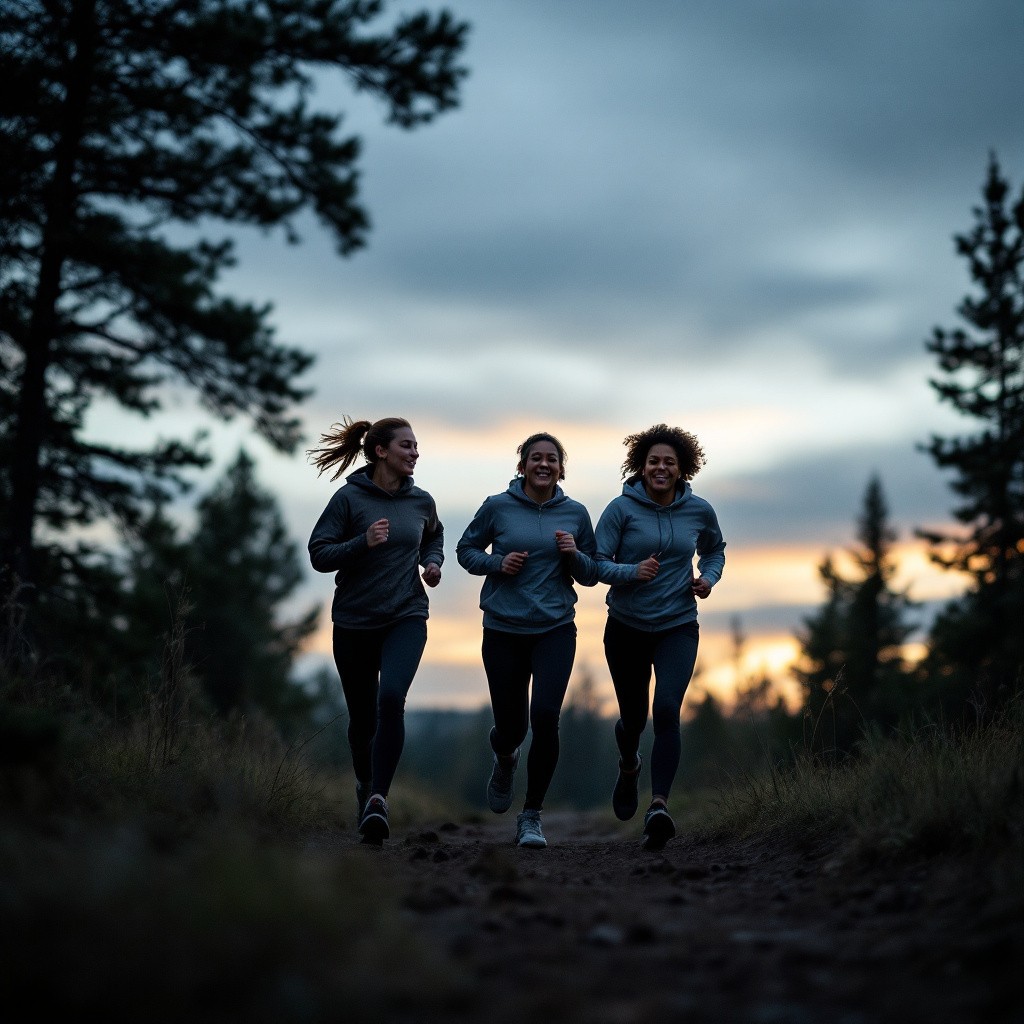
At the MN Mile, the loudest part of race morning is not the starting gun, it is the twenty minutes before it, when a crowd of people who trained for months stand around not quite knowing what to do with their hands. The people who settle fastest are rarely the ones who trained the most. They are the ones who have a plan for that twenty minutes: a short walk, a few slow breaths, and someone next to them to talk to about anything other than the race. That is the entire routine, and it works the same way whether the start line is in Minnetonka or at 17,000 feet outside Namche Bazaar.
FAQ
Is it normal to feel nauseous or shaky before a race?
Yes. A racing heart, a tight stomach, and shaky hands are common physical signs of the adrenaline response and are not an indication that something is wrong with your training or your body.
How long before an event should I start my calm-down routine?
Start the breathing and movement routine about twenty to thirty minutes before the start. Starting too early means the nerves can build back up before you actually begin; starting right at the gun does not leave enough time for your heart rate to settle.
Does the nervousness ever go away completely with experience?
For most people it lessens but rarely disappears, even after years of racing or multiple Everest Base Camp treks. What changes with experience is not the absence of nerves, it is trusting that you know what to do with them.
What if I am doing a challenge completely alone, with no group?
The breathing and the controllables list still work on their own. If you can, text one person your three controllables before you start; the point of “finding one person” is interrupting isolation, and a text works almost as well as standing next to someone.
If calming pre-event nerves alone feels harder than it should, training with a Fuel Growth group puts people around you who have stood at that same starting line nervous and started anyway. Learn more about Everest Base Camp training or see what the MN Mile is about before your next event.
