
What Cold Plunging Does for Mental Resilience
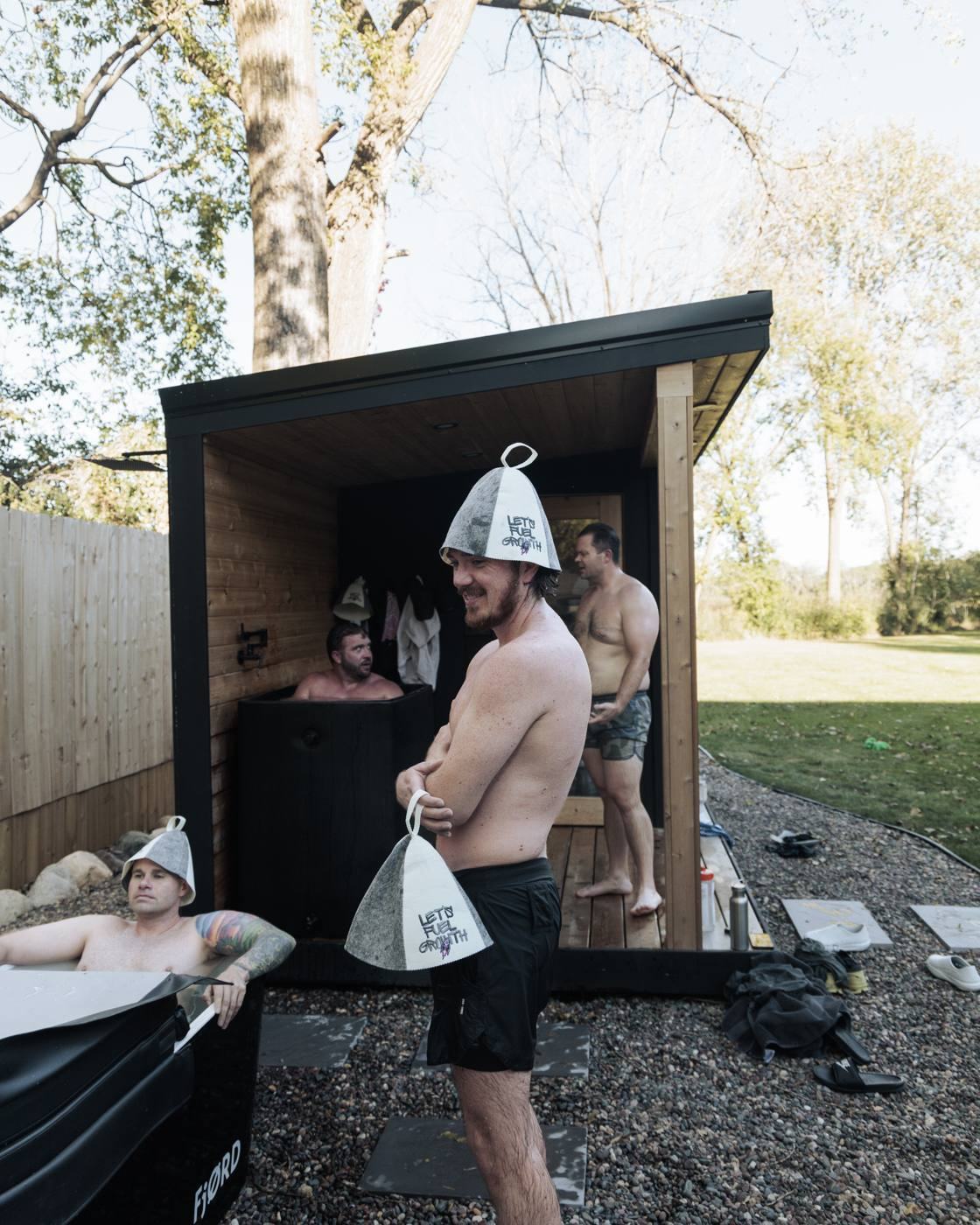
Cold plunging lowers stress hormones in the short term and, done regularly alongside other habits, is linked to better mood and stress tolerance over time. The bigger reason it matters at Let’s Fuel Growth is not the physiology alone, it is that stepping into cold water on purpose is a small, repeatable rehearsal for doing something hard while everyone around you is doing it too.
What actually happens to your body during a cold plunge?
Cold water immersion triggers a fast spike in norepinephrine and a short burst of cortisol, followed by a drop below baseline once the body settles. Heart rate and breathing quicken in the first 30 to 60 seconds, then steady as the nervous system adapts. Research on cold water immersion (2 to 4 minutes at 50 to 59 degrees Fahrenheit) has found measurable increases in reported mood and alertness in the hours after a plunge, alongside reduced markers of inflammation with repeated sessions over several weeks.
Does cold plunging actually help with stress and mental resilience?
The clearest benefit is not a chemical shortcut to feeling calm, it is practice. A cold plunge puts your body into a state that feels like an emergency for the first 15 seconds, and the skill you build is staying steady anyway: slowing your breath, not panicking, choosing to stay in rather than bolt out. That skill transfers. People who plunge regularly report handling other kinds of discomfort (a hard training block, a hard conversation, a hard mile) with more composure, because they have rehearsed staying calm inside discomfort on purpose, dozens of times, in a controlled setting.
Cold plunge or sauna: which one should you do first?
Most people alternate rather than choose one. Sauna raises core temperature and heart rate through heat, cold plunge does the same through cold, and both trigger a similar adaptive stress response with different physical sensations. A common pattern is sauna first to relax muscles and open up circulation, then a short cold plunge to close the session and get the alertness boost. There is no requirement to do both. If a cold plunge alone leaves someone feeling clearer and steadier, that is enough.
| Cold Plunge | Sauna | |
|---|---|---|
| Typical duration | 1 to 4 minutes | 10 to 20 minutes |
| Immediate effect | Alertness spike, faster heart rate | Relaxation, sweating, slower heart rate over time |
| Best timing | After training, or first thing in the morning | Before a plunge, or as a standalone wind-down |
| Main challenge | Mental: staying in through the first discomfort | Mental: staying in through prolonged heat |
How cold do you actually need to go, and for how long?
Most of the reported benefit shows up in water between 50 and 59 degrees Fahrenheit for 1 to 4 minutes. Colder is not automatically better, and pushing past 4 to 5 minutes adds risk without adding much benefit for most people. Beginners typically start at 30 to 60 seconds and build from there over a few sessions, rather than aiming for a long plunge on day one.
Why does Let’s Fuel Growth build cold plunges into its events?
Our summits and training sessions use cold plunges the same way we use a hard hike or a race distance that feels too long at first: as a shared, doable challenge that proves something to the person doing it. Standing at the edge of a cold plunge tub with a group of people who have all agreed to go in together is a small, physical version of what shows up at every Let’s Fuel Growth event, showing up, choosing the hard thing, and doing it alongside other people instead of alone.
Frequently Asked Questions
Is cold plunging actually backed by research, or is it just a trend?
There is a real and growing body of research on cold water immersion’s effect on mood, alertness and inflammation markers, though most studies are short-term and sample sizes are still modest. The physiological effects (adrenaline spike, drop in resting cortisol afterward) are well documented even where the long-term mental health research is still developing.
Do you need a cold plunge tub, or does a cold shower work?
A cold shower delivers a similar physiological jolt and is a reasonable starting point. A dedicated plunge tub holds a consistent, colder temperature for a full-body immersion, which is why our community events use tubs rather than showers when the goal is the full experience.
How often should someone cold plunge to notice a difference?
Most people who report a noticeable mood and resilience effect are plunging 2 to 4 times a week. A single plunge before a big event can help with alertness that day, but the steadier benefit comes from repetition.
Is cold plunging safe for everyone?
Most healthy adults tolerate short cold plunges well, but anyone with a heart condition, uncontrolled blood pressure or a pregnancy should talk to a doctor before trying it, and nobody should plunge alone the first few times.
“The plunge is never really about the water,” said a Let’s Fuel Growth event lead who has run cold plunge stations at three summits. “It is about watching someone who was sure they couldn’t do it, do it, with the group right there cheering them through the first 20 seconds.”
Want to try a cold plunge alongside people who have done it before? See our upcoming events, including summits where a cold plunge station is part of the day, or volunteer to help run one. Questions about an event? Reach out here.