
Weighted Vest Training for Mental Resilience
A weighted vest adds resistance to walking, running or training so the body works harder for the same movement, and the mental payoff is often bigger than the physical one: carrying real extra weight on purpose, and choosing to keep going, is a repeatable rehearsal for staying steady when something hard shows up in ordinary life.
What does a weighted vest actually do to your training?
Adding load through a vest instead of a barbell keeps your hands free and your movement natural, so a walk, a hill climb or an easier training day gets harder without changing the exercise itself. Heart rate and effort climb faster than the pace suggests, since the body is moving more mass over the same distance. Over weeks, that translates into better cardiovascular conditioning and stronger stabilizer muscles in the hips, core and shoulders that a normal walk does not challenge as much.
Why does the mental side matter more than the muscle?
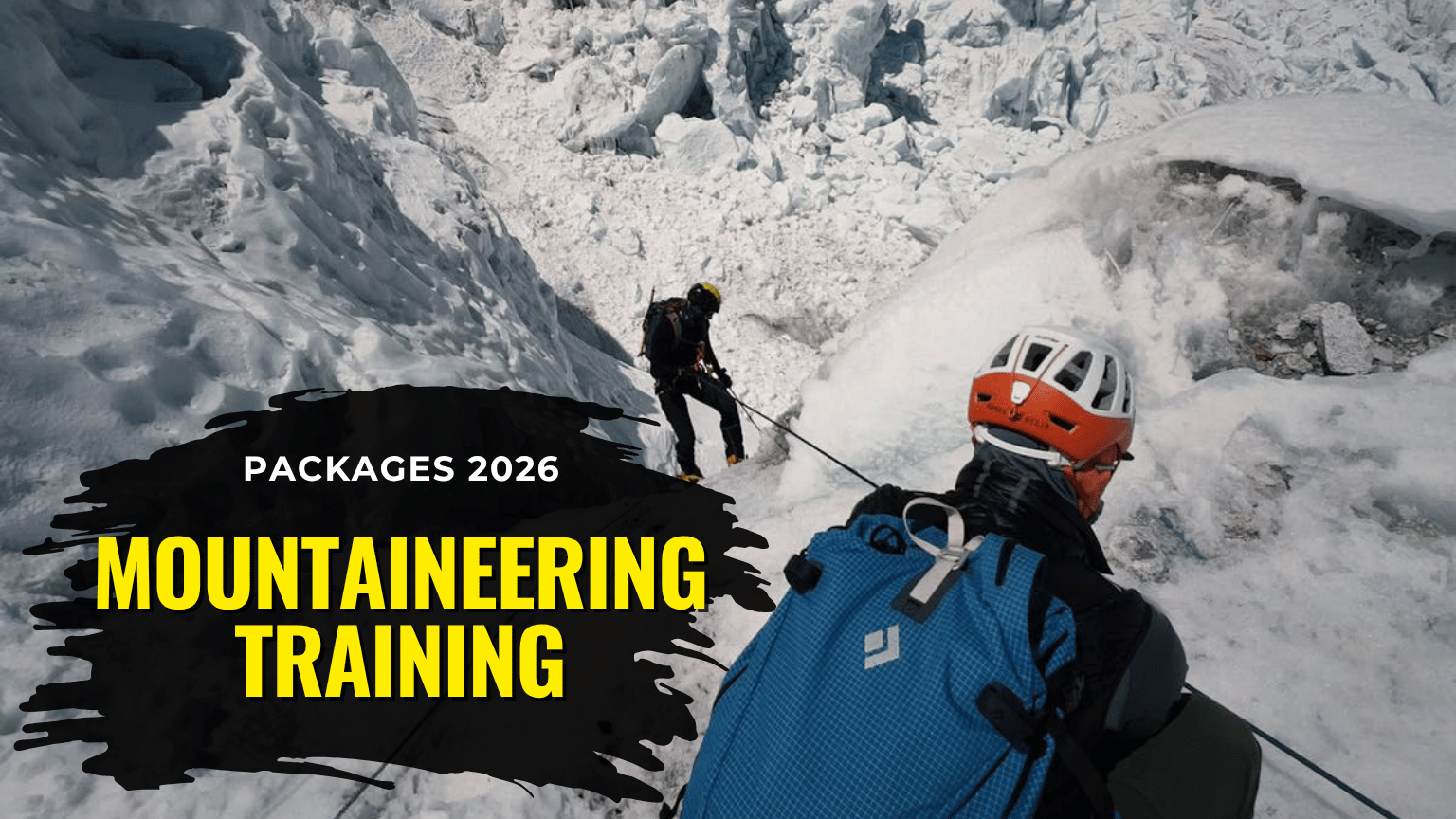
The vest is heavier at minute one than it is at minute thirty, because the body adapts to load the same way it adapts to any hard thing: the first few minutes feel like too much, and the skill is staying in it anyway. People training for the MN Mile or an Everest Base Camp expedition report that the discomfort of a weighted walk maps directly onto the discomfort of a hard mile or a long trail day; you have already practiced not quitting when something felt heavier than expected.
How heavy should a weighted vest be to start?
Most people start around 5 to 10 percent of bodyweight and add gradually as form holds up under load. Going heavier before your posture and gait can handle it just shifts strain to the lower back and knees, which defeats the purpose. The goal at LFG is not to load up fast, it is to build a habit you can keep doing three times a week for months, which only works if the weight stays manageable.
| Vest Load | Best use | Watch for |
|---|---|---|
| Light (5 percent bodyweight) | Daily walks, building the habit | Should feel noticeable, not exhausting |
| Moderate (10 percent bodyweight) | Hill training, MN Mile prep | Form breakdown on hills or stairs |
| Heavier (15 percent plus) | Experienced trainers, short sessions | Lower back and knee strain |
Does this connect to community training or is it a solo thing?
Both, but the community piece is where it sticks. A weighted walk done alone is a workout. The same walk done with a group training for the MN Mile or an EBC expedition becomes something people show up for even on a day they would have skipped it solo, because someone else is waiting at the trailhead. That is the same mechanism behind every LFG training group: shared discomfort, chosen on purpose, is easier to keep doing than discomfort you are managing by yourself.
What is OMORPHO’s G-Vest, and why does LFG use it?
OMORPHO makes gravity sportswear, weighted vests and gear designed to distribute load evenly across the body rather than concentrate it at the shoulders like a traditional weight vest can. LFG’s training groups have used G-Vests in prep sessions ahead of the MN Mile because the even weight distribution lets someone train longer without the vest itself becoming the injury risk. It is one tool in a training toolkit, not a requirement to show up: plenty of people train and race without one.
How does this fit into a broader mental resilience practice?
Weighted vest training works the same way cold plunging, hill repeats or a hard training block does inside LFG’s approach: none of them are the point on their own, they are a set of tools for practicing the same skill under different kinds of discomfort. Cold is a fast, short spike. A weighted walk is a longer, slower grind. Both ask the same question: can you stay steady and keep moving when the easy option is to stop. People who rotate through a few different hard things, rather than only ever doing one, tend to build a more transferable version of that steadiness, because it stops being tied to one specific sensation.
That is also why LFG frames training as a group activity whenever possible. A weighted vest session alone builds the individual skill. The same session done with five other people training for the same mile or the same expedition adds a second layer: you see other people choosing to stay in it too, which makes the choice easier to repeat the next time.
FAQ
Can beginners use a weighted vest for training?
Yes, starting light and adding load slowly is the safer path, and a beginner gets the same habit-building benefit as an experienced athlete, just at a lower weight.
Is weighted vest training the same as strength training?
No. It adds cardiovascular and stabilizer load to normal movement, it is not a replacement for dedicated strength work, and most training plans use both.
Do I need a weighted vest to train for the MN Mile?
No. It is one option among several for people who want an extra layer of challenge in training, not a requirement to participate or to finish.
LFG’s training groups meet ahead of the MN Mile and other community events, open to anyone who wants to train alongside people working toward the same start line, weighted vest or not. The point of any of these tools is the same: find something hard enough to matter, do it with other people, and let that habit carry over into the rest of your week. See upcoming sessions at letsfuelgrowth.org/events.
Let’s Fuel Growth runs events, summits and expeditions that put people in the same room doing hard things together. Come find your people.